Projects
Funded research projects of the team — from autonomous underwater vehicles for aquaculture to biometrics, document analysis and open education platforms.
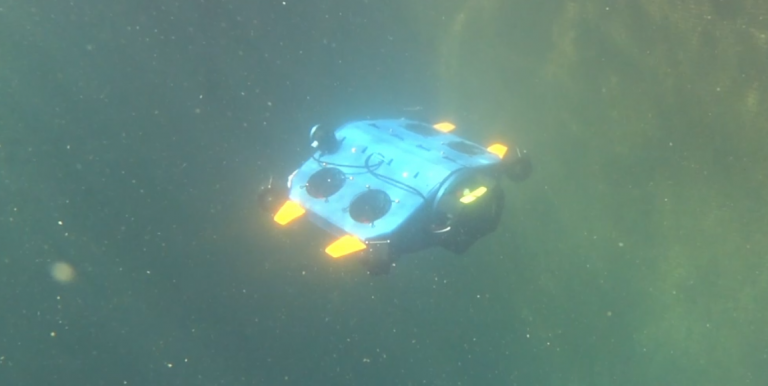
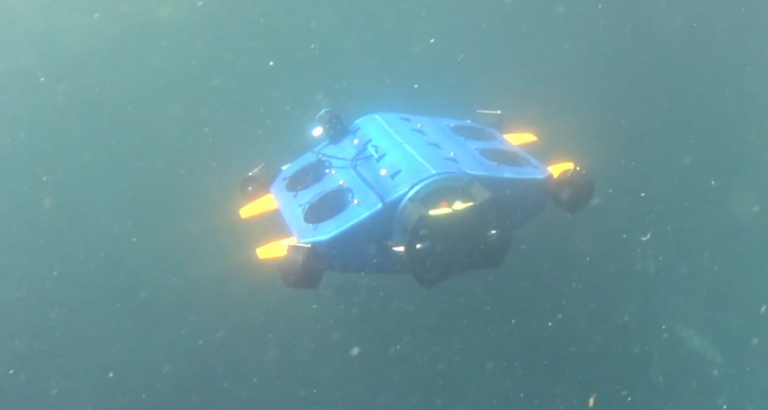
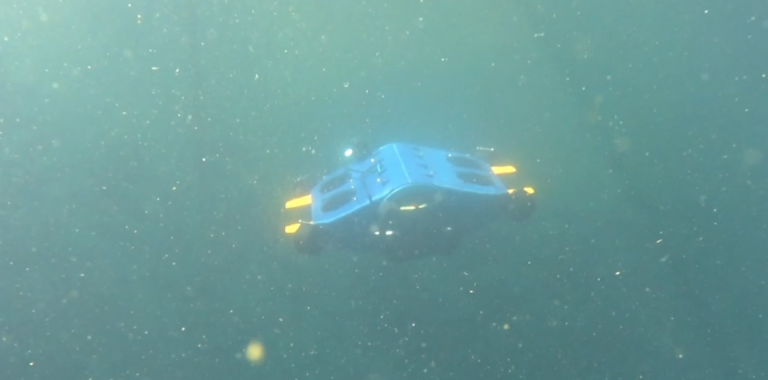
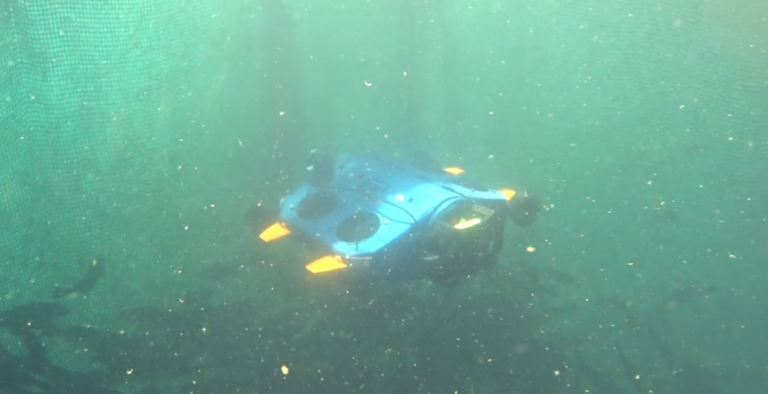
AUV Creation for Fisheries — Fish Quality Control
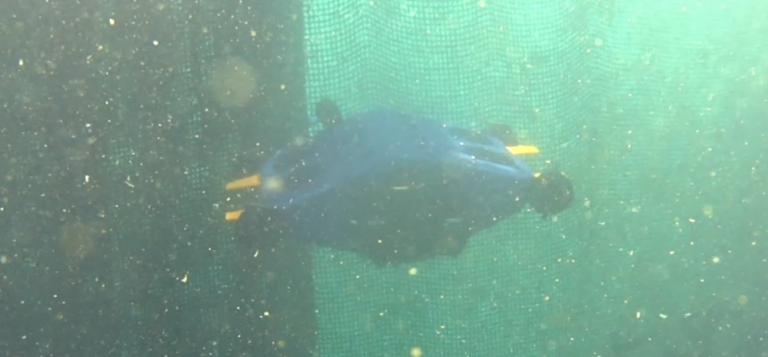
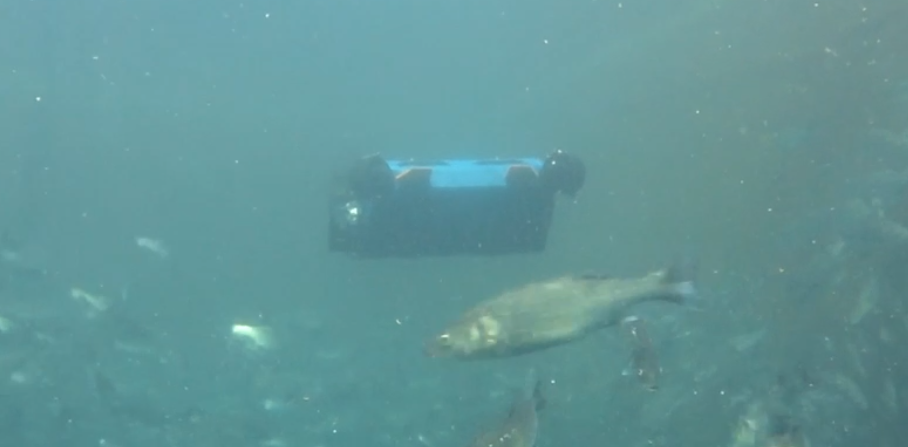
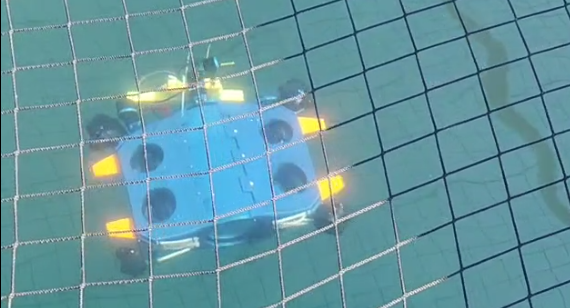
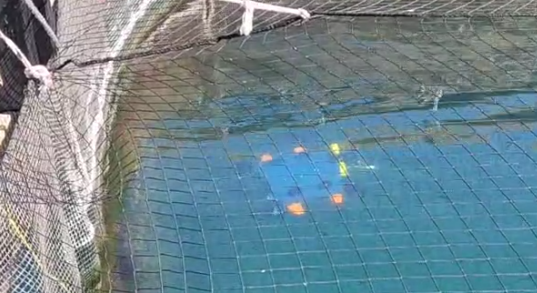
The project concerns the construction of a robotic underwater vehicle (ROV) for the inspection and repair of fish farms in Greece using Computer Vision, in order to identify anomalies and damage. The vehicle also collects measurements for research and improvement of the growth rate of the products, while, on a second level, fish quality control and evaluation of nutritional value is carried out through specialized indicators (eicosapentaenoic and docosahexaenoic acid, biogenic amines, trimethylamine and others).
The intent of this work is the use of robotics and computer vision to make net inspection easier, safer and cheaper for aquaculture units — a demanding need for the Greek aquaculture industry, especially in remote coastal and island areas. The technology was patented (Greek Industrial Property Organisation — OBI).
Publications (12)
- M. Vasileiou, N. Manos, N. Vasilopoulos, A. Douma, and E. Kavallieratou, Kalypso Autonomous Underwater Vehicle: A 3D-printed Underwater vehicle for inspection at Fisheries, Journal of Mechanisms and Robotics, ASME, 2024. DOI: 10.1115/1.4062355
- M. Vasileiou, N. Manos, and E. Kavallieratou, MURA: A Multipurpose Underwater Robotic Arm mounted on Kalypso UV in Aquaculture, Marine Systems & Ocean Technology, Springer, 2023. DOI: 10.1007/s40868-023-00129-2
- M. Rousouliotis, M. Vasileiou, N. Manos, and E. Kavallieratou, Employing an underwater vehicle in education through a learning programming platform to boost motivation and creativity, Computer Applications in Engineering Education, Wiley, 2023. DOI: 10.1002/cae.22693
- E. Kavallieratou, K. Paraskevas and M. Vasileiou, Building Kalypso: The Software, 7th International Conference on Robotics and Automation Sciences (ICRAS), IEEE, Wuhan, China, pp. 37-42, 2023. DOI: 10.1109/ICRAS57898.2023.10221581
- N. Manos, M. Vasileiou, and E. Kavallieratou, Building Kalypso: The Construction, 5th International Conference on Advances in Signal Processing and Artificial Intelligence (ASPAI’ 2023), IFSA, Tenerife, Spain, pp. 195–198, 2023.
- N. Vasilopoulos, E. Kavallieratou, and E. Stamatatos, Building Kalypso: The navigation system, 5th International Conference on Advances in Signal Processing and Artificial Intelligence (ASPAI’ 2023), IFSA, Tenerife, Spain, 2023.
- K. Paraskevas and E. Kavallieratou, Detecting Holes in Fish Farming nets: A Two-Method approach, International Conference on Control, Automation and Diagnosis (ICCAD), IEEE, Rome, Italy, 2023. DOI: 10.1109/ICCAD57653.2023.10152452
- M. Vasileiou, N. Manos, and E. Kavallieratou, An Underwater Vehicle for Aquaculture Inspection, 7th International Conference on Control, Automation and Diagnosis (ICCAD’23), IEEE, Rome, Italy, 2023. DOI: 10.1109/ICCAD57653.2023.10152412
- M. Vasileiou, N. Manos, and E. Kavallieratou, IURA: An Inexpensive Underwater Robotic Arm for Kalypso ROV, International Conference on Electrical, Computer, Communications and Mechatronics Engineering (ICECCME), IEEE, Male, Maldives, pp. 832-837, 2022. DOI: 10.1109/ICECCME55909.2022.9988259
- K. Paraskevas and E. Kavallieratou, Detecting Holes in Fishery Nets using an ROV, International Conference on Electrical, Computer, Communications and Mechatronics Engineering (ICECCME), IEEE, Male, Maldives, pp. 1282-1286, 2022. DOI: 10.1109/ICECCME55909.2022.9988724
- M. Vasileiou, N. Manos, and E. Kavallieratou, A Low-Cost 3D Printed Mini Underwater Vehicle: Design and Fabrication, IEEE 20th International Conference on Advanced Robotics (ICAR), IEEE, Ljubljana, Slovenia, pp. 390-395, 2021. DOI: 10.1109/ICAR53236.2021.9659412
Press & Media
- «Ψηφιακές Κυριακές», Πρώτο Πρόγραμμα ΕΡΤ — παρουσίαση του υποβρύχιου ρομπότ Καλυψώ. Spotify
- Ελληνικό ρομπότ προστατεύει τις ιχθυοκαλλιέργειες — Ναυτεμπορική
- Νέο δίπλωμα ευρεσιτεχνίας για την ομάδα AegeanRobotics — samiaki.tv
- Δίπλωμα Ευρεσιτεχνίας για την ομάδα AegeanRobotics — samos24.gr
- Πατέντα σε ελληνικό ρομπότ–επιθεωρητή των ιχθυοκαλλιεργειών — dnews.gr
- Υποβρύχιο σύστημα επιτήρησης διχτύων στα νερά Αργοστολίου–Ληξουρίου — inkefalonia.gr
- Το ρομποτάκι Kalypso φροντίζει τα Ιχθυοτροφεία Κεφαλονιάς — efimeridakefalonia.gr
- Τα Ιχθυοτροφεία Κεφαλληνίας ευχαριστούν την ομάδα και το KALYPSO — kefaloniapress.gr
- Ρομπότ προστατεύει ιχθυοκαλλιέργειες! — wifinews.gr
Photo Gallery
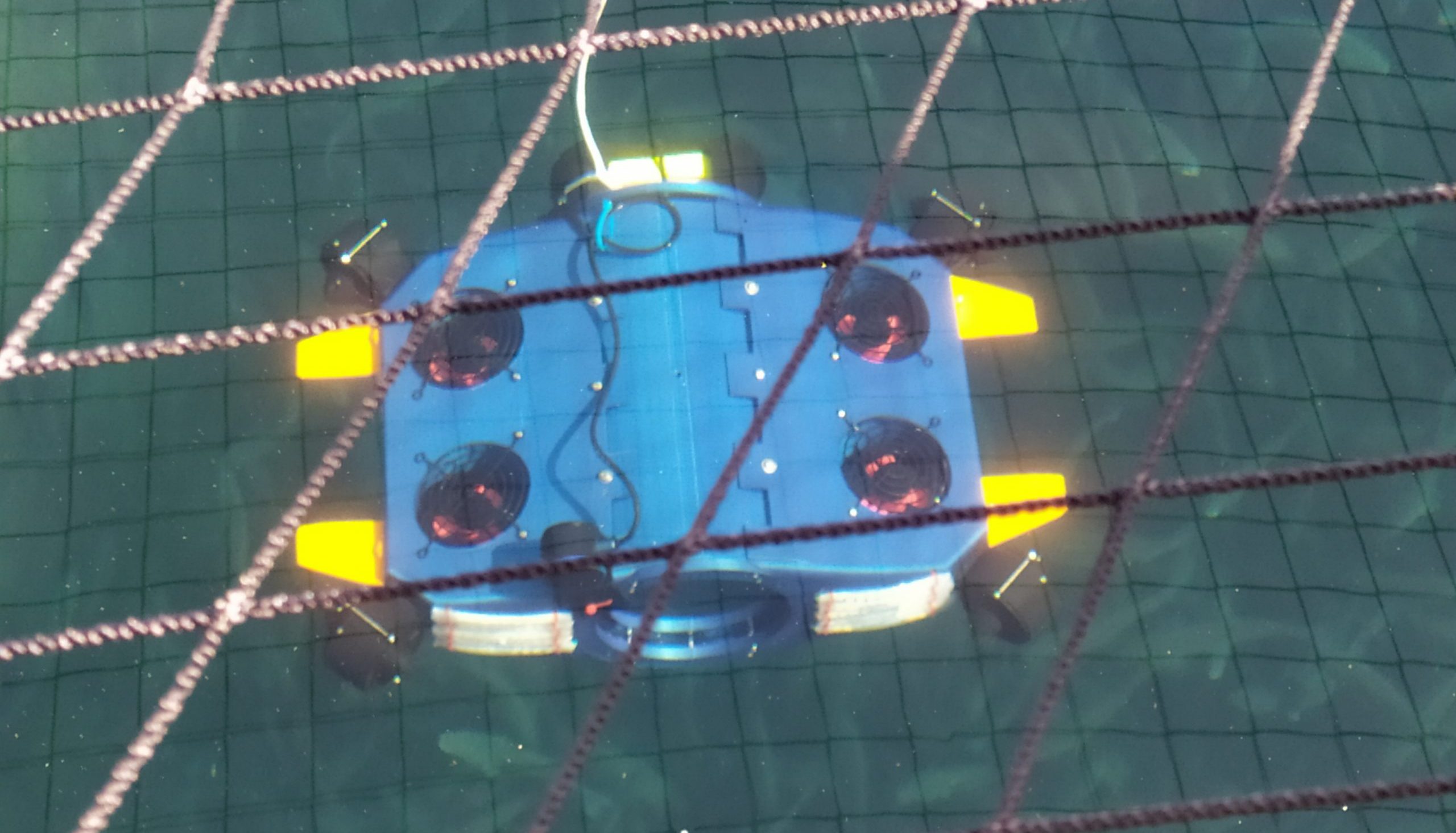
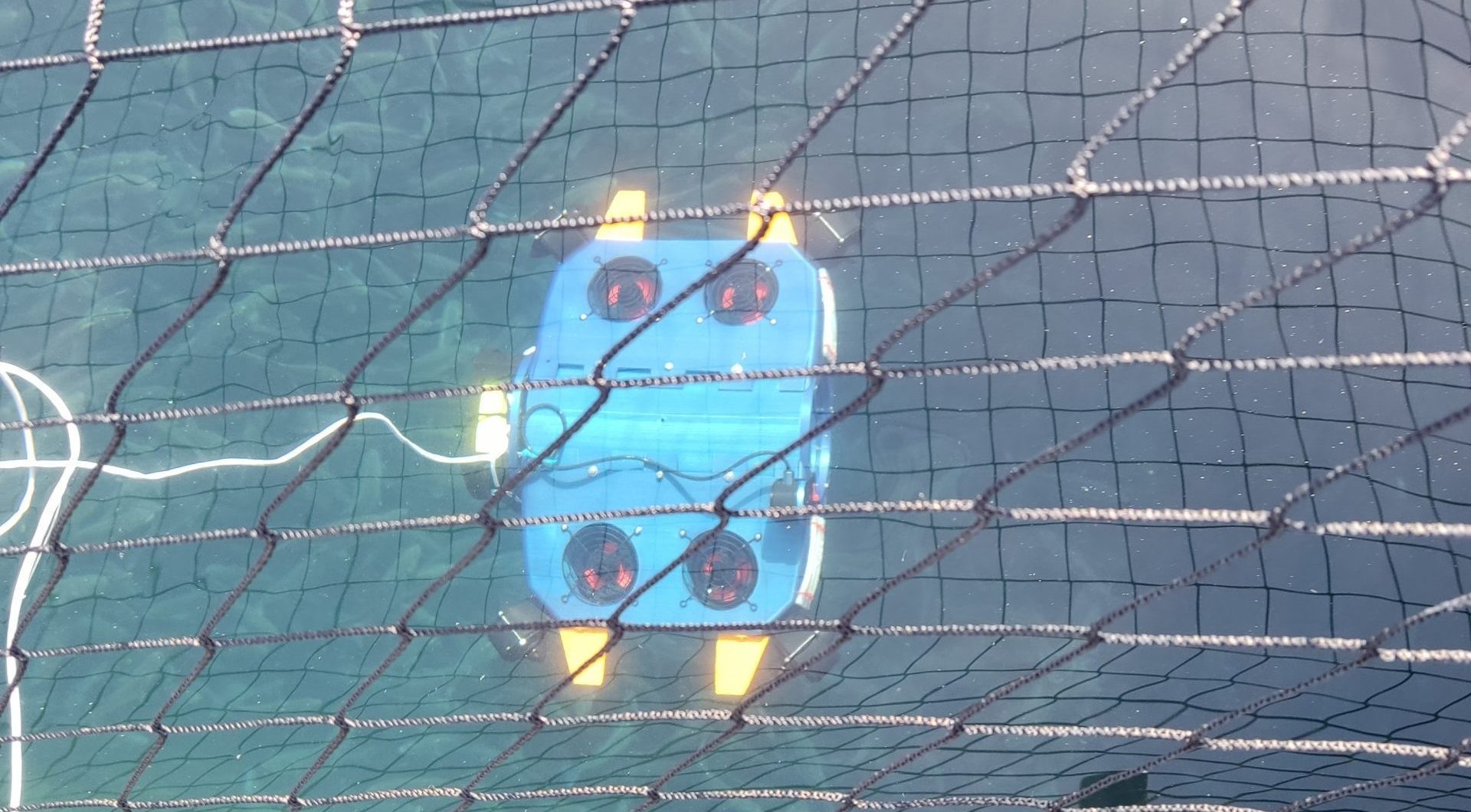

PhD Theses
- Marios Vasileiou — Underwater Robotics (completed)
- Minas Rousouliotis — Educational process mining using robots (completed)
- Nikolaos Manos — Underwater Robotics: The Problems (in progress)
Creation of a Multimodal Biometric Password using Steganography
Recent device implementations require biometric features to unlock devices to ensure greater security; such systems mainly use computer vision algorithms to analyze images and identify users. However, research has shown that biometric identification can be cheated using fake biometric features.
To address this and simplify user identification, the project proposes a multimodal biometric code, generated by combining the user’s biometric features with a sealing (steganographic) process, making it unique to each individual. Various feature combinations were explored and their security experimentally demonstrated.
Publications (4)
- K. Karampidis, M. Rousouliotis, E. Linardos, and E. Kavallieratou, A comprehensive survey of fingerprint presentation attack detection, Journal of Surveillance, Security and Safety, 2021.
- K. Karampidis, E. Linardos, and E. Kavallieratou, StegoPass – Utilization of Steganography to Produce a Novel Unbreakable Biometric Based Password Authentication Scheme, Computational Intelligence in Security for Information Systems Conference, 2021.
- K. Karampidis, E. Kavallieratou, and G. Papadourakis, A dilated convolutional neural network as feature extractor – A hybrid classification scheme, Pattern Recognition and Image Analysis, Vol. 30, No. 3, pp. 342–358, Springer, 2020.
- K. Karampidis, N. Vasilopoulos, C. Cuevas, C. R. del-Blanco, E. Kavallieratou, and N. García, Overview of the ImageCLEFsecurity 2019: File Forgery Detection Tasks, Conference and Labs of the Evaluation Forum, 2019.
Experimental Analysis of Educational Data
As specified in the SlideWiki Grant Agreement, the call for tender was addressed to organizations and institutions and managed by a consortium of leading international partners: Leibniz University of Hannover, The Open University (UK), ATHENA Research Center, and the Institute for Applied Informatics.
The selected bids served to assess SlideWiki’s effectiveness and its educational impact, ensuring the platform delivers on its goals through rigorous testing and real-world application.
Document Image Layout Analysis
Development of a Windows desktop application for advanced document processing, consisting of a Graphical User Interface (GUI) and a specialized Dynamic Link Library (DLL). The technical workflow: ingestion of high-quality document images (newspapers, journals, magazines); DLL-driven segmentation of pages into non-overlapping blocks; classification of blocks into Text or Graphics (logos, photos, diagrams); and output of XML files containing bounding polygon coordinates and block classes.
Development utilized real-world image samples provided by the client for system training and performance evaluation.
Publications (1)
- N. Vasilopoulos, Yazan Wasfi, E. Kavallieratou, Automatic Text Extraction from Arabic Newspapers, International Conference on Image Analysis and Recognition, pp. 505-510, 2018.
SlideWiki: Open Course Ware Platform
SlideWiki is an open online system for creating Open Course Ware material: educational content that is online, multilingual, openly licensed, and evolving on the basis of cooperation and voluntary contribution of the members of the platform. It aims to cultivate knowledge communities around the world by making content available to a global audience.
Project Goals
- Developing, testing, and evaluating the SlideWiki platform with 17 international partners.
- Utilizing interactive and open tools to empower collaborative learning.
- Improving the efficiency of creating rich, licensed educational materials for everyone.